
AiN Member Exclusive Benefits
Your Website is Losing You Clients Every Single Day!
In an industry built on trust and first impressions, an outdated or poorly designed website isn’t just an embarrassment; it’s a direct drain on your revenue.
Here’s what the data says, and a calculator to put real numbers to it.
The Silent Revenue Killer Nobody Talks About
Let me paint you a picture!
A homeowner’s neighbor just had a break-in attempt and now the homeowner’s scared and motivated. They pull out their phone and search “home security installation near me.“
Your company shows up!
They tap your website link… and immediately see a site that looks like it was built in 2016. Tiny text, images that won’t load right, a phone number buried three scrolls down.
Gone within 8 seconds!
They’re gone! And your competitor just picked up a $3,000 job. That scenario plays out dozens of times every single week for AV and security companies with outdated websites.
The maddening part?
Most business owners have no idea it’s happening because bad websites don’t announce their failures. There’s no alarm, no notification; just lost revenue, month after month.

Why AV & Security Companies Face Unique Risks
Not every industry gets hit equally hard by a bad website. But AV integration and security installation companies? They’re in a particularly dangerous spot for three reasons.
The average job value is high
A professionally installed security system runs $600 – $1,500 just for a basic home setup, and commercial or smart-home AV projects routinely hit $5,000 – $50,000. Every single lost lead represents a significant chunk of revenue. Even losing two jobs a month to a competitor’s better website could mean $15,000 – $120,000 in missed annual revenue.
Trust is your entire sales proposition
You’re asking people to let you into their homes and businesses and trust you with large sums of money. You’re handling surveillance systems, access control, and alarm infrastructure. If your website looks untrustworthy, no amount of cold calling or word-of-mouth is going to overcome that first digital impression. About 52% of users say a bad website experience makes them less likely to engage with a company, and nearly half feel it signals the company doesn’t care about their business.
Your buyers are increasingly on their phones
- The homeowner searching after a neighborhood crime incident? On their phone.
- The property manager getting your referral while walking a building? On their phone.
- The contractor looking up your AV integration services? On their phone.
With 60%+ of all web traffic now coming from mobile devices, a website that isn’t optimized for mobile isn’t just inconvenient, it’s invisible to the majority of your potential customers.
The 7 Pitfalls Draining Your Pipeline
Let’s get specific. Here are the most damaging website problems for AV and security companies, ranked by their impact on revenue.
Outdated And Stale Content
A site showing “© 2019” or products you no longer carry tells buyers you’re either out of business or don’t care. Stale content also kills SEO and signals to Google that your site isn’t worth ranking.
Avg impact: −15 – 25% credibility
Weak or No SEO
If someone searches “security camera installation [your city]” and your site doesn’t appear on page one, you simply don’t exist to that buyer. 75% of users never scroll past the first page of results.
Avg impact: −40 – 70% organic traffic
Not Mobile-Responsive
69% of people immediately click away from a non-mobile-responsive site. Google also penalizes non-mobile sites in search rankings — meaning you disappear from local search results too.
Avg impact: −60% of your traffic
Slow Load Times
A site that loads in 5 or more seconds has a conversion rate up to 70% lower than one loading in 1 – 2 seconds. For every additional second of load time between 0 – 5 seconds, conversions drop an average of 4.42%.
Avg impact: −25 – 70% conversions
Thin Content
Having only a few basic words for your products/services dramatically hurts both how well the site sells and how well it ranks. Thin content usually means lower trust, lower conversions, and weaker SEO.
Avg impact: -30 – 70% credibity
No Clear Call To Actions
If visitors can’t find a phone number, a quote request form, or a “book a consultation” button within 5 seconds of landing, they leave. Confused prospects don’t convert — they bounce.
Avg impact: −30 – 50% lead capture
No Portfolio / Social Proof
AV and security buyers need to see your work. No before and after install photos, no testimonials, and no case studies means no trust. An independent study found 37% of users abandon a site they find “unimpressive.”
Avg impact: −20 – 35% close rate
What a High-Converting Website Looks Like
This isn’t about having the flashiest website in town. It’s about removing every possible friction point between a motivated prospect and your contact information. The hallmarks of a high-converting site in this industry:

1. Performance
Speed is your first sales pitch. A high-converting website loads in under 3 seconds, displays cleanly on every screen size, and scores high on Google PageSpeed Insights. Every extra second of load time costs you 4–7% of conversions, in a high-ticket service business, that’s real jobs walking out the door.

2. Trustworthiness
People are letting you into their homes and businesses, so trust matters enormously. You need visible licensing, live Google reviews featured, regular customer reviews, real project photos (not just stock images), a real physical address with multiple contact options, and clear certifications.

3. Content
Your content needs to answer questions buyers are asking before they call. Dedicated pages for each service written around the specific problem each one solves. Generic and thin copy converts poorly; specific, problem-aware content builds the confidence that turns a browser into a booked appointment.

4. Lead Capture
A visitor who can’t quickly figure out how to reach you is already gone. Every page should have a click-to-call number in the header, a quote request form on the page, and a clear call-to-action for what to do next. Don’t send people to a generic contact page; reduce the friction and motivated prospects will sign up.
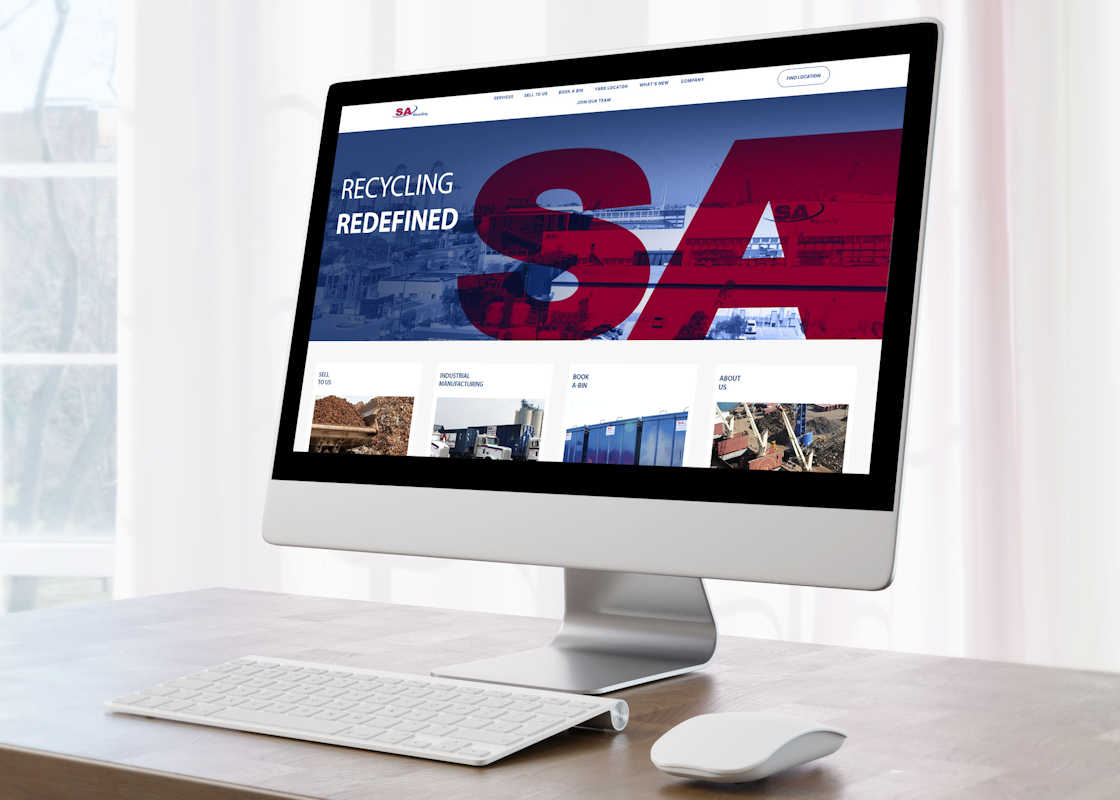
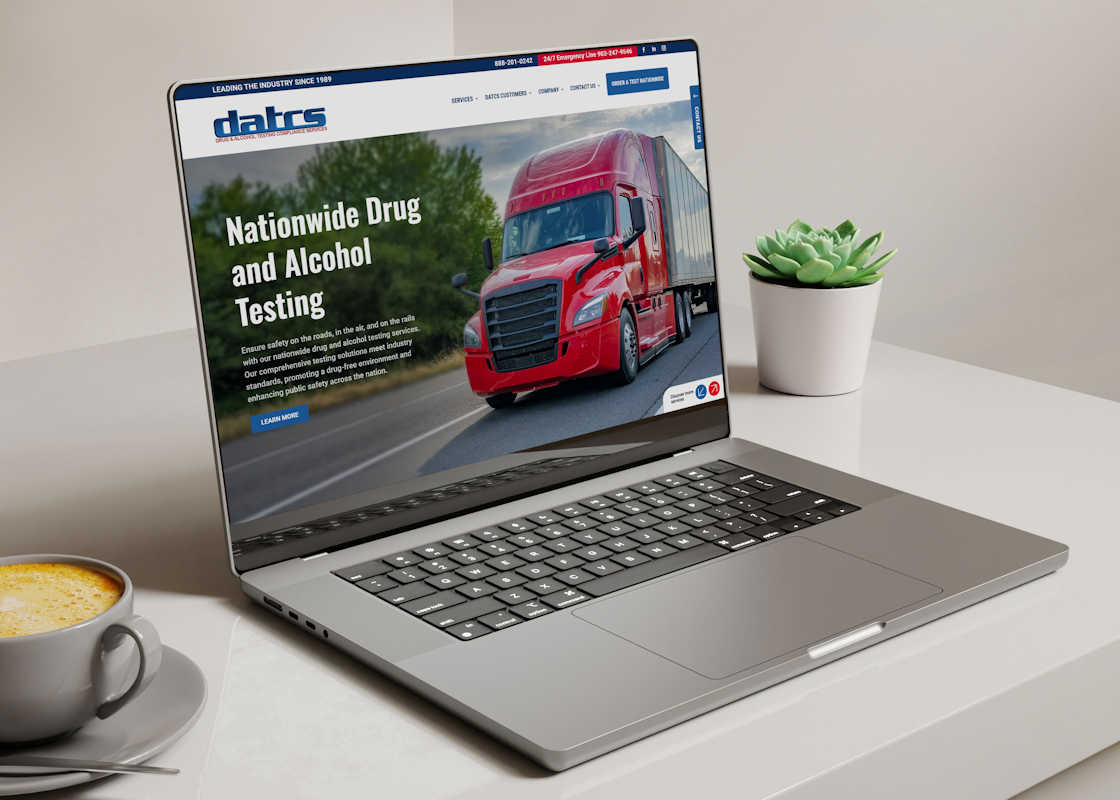
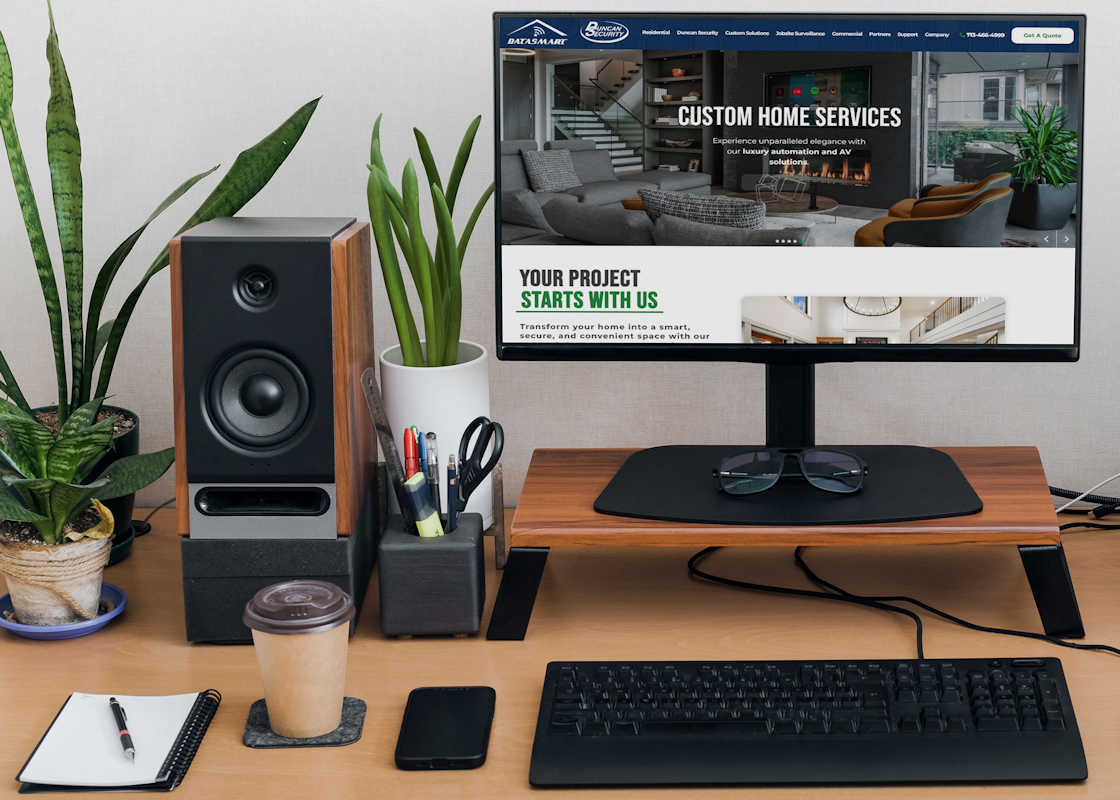
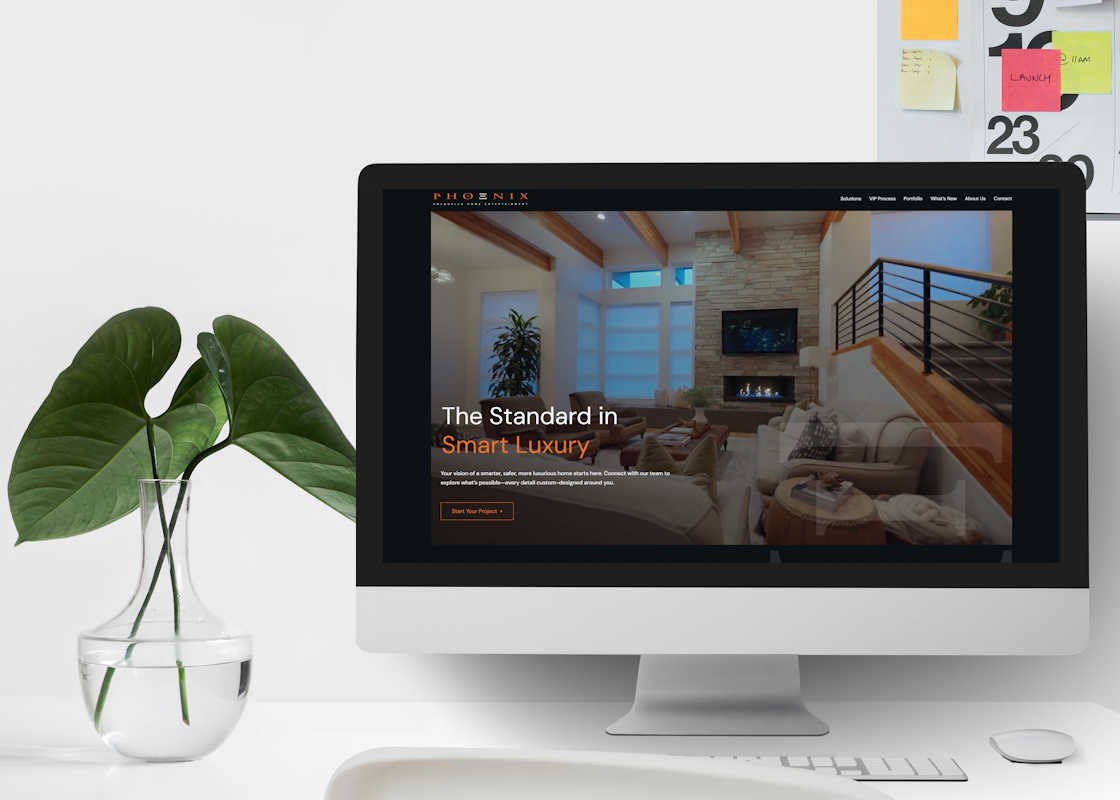
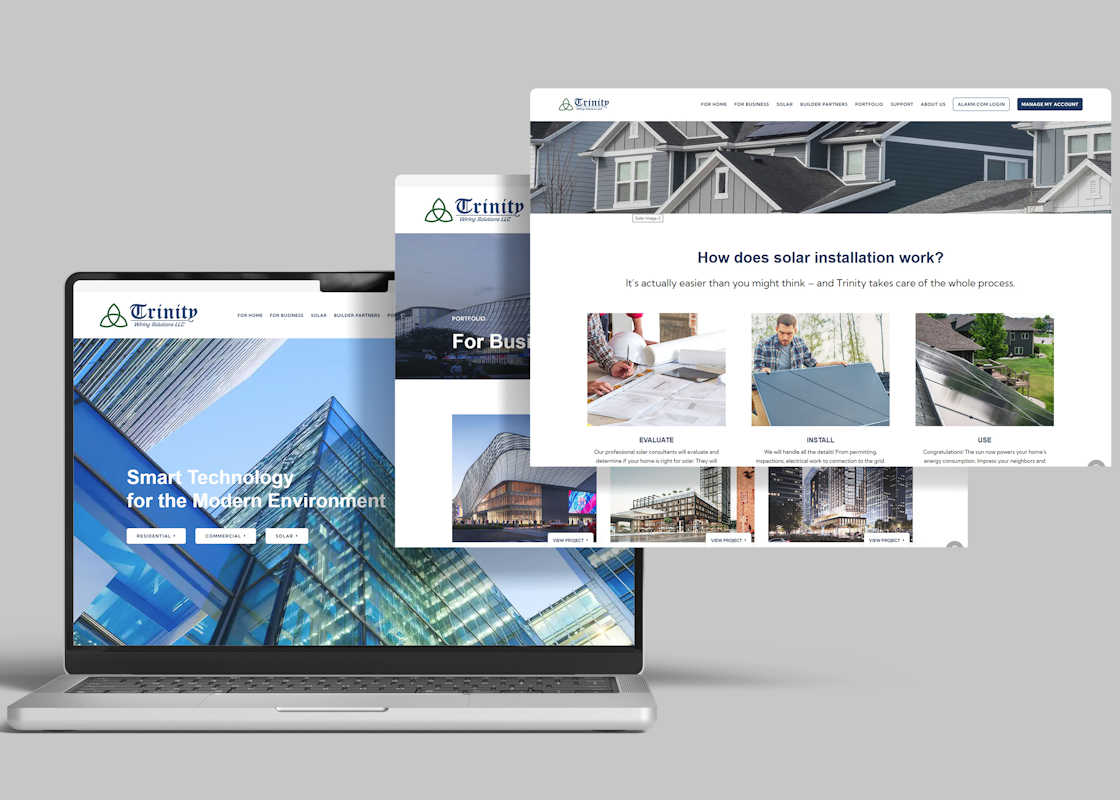
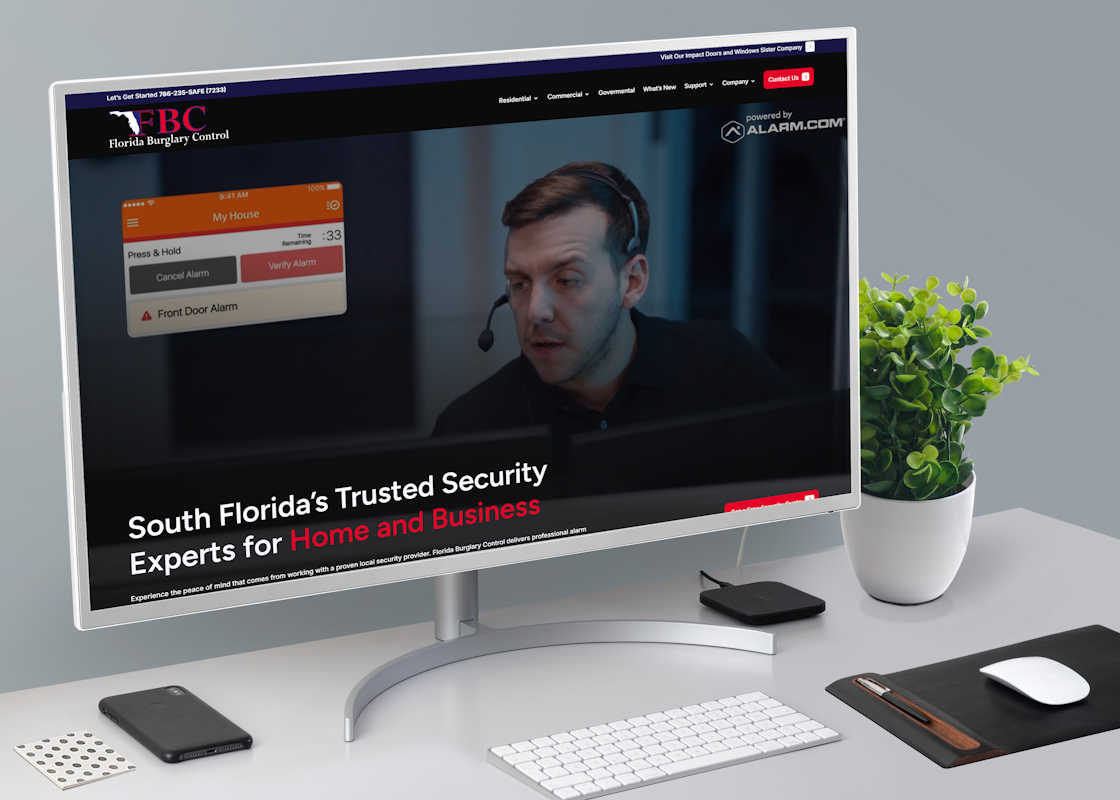
Website Examples

Increased Visitors = Revenue Increase
Top Ranking Keywords = Higher Visibility
Brand Strength = Trust and Authority
Top Ranking Keywords = Organic Traffic
Positive Reviews = Increased Trust
Paid Ad Campaigns = Short Term Sales
Form Fills = Interested Customers
Local Presence = Local Calls & Prospects
SEO Campaigns = Long-Term Results
🔎 Website Revenue Loss Calculator
Enter your numbers below and check every website issue that applies. Takes under 2 minutes.
Your Business Basics
Website Issues — Check All That Apply
Your Website Revenue Report
Issue-by-Issue Revenue Impact
Get Started Today!
Ready to Build a Website That Actually Works?
Tell us about your project and we’ll get back to you within one business day with a custom quote. No obligation, no pressure — just a straightforward conversation about what you need and how we can help.
Call Us
(512) 661-2400
Email Us
Location
3400 W Marshall Ave #426
Longview TX, 75604
Request Your Website Quote
FAQs
1. How long does it take to build a website?
Most custom websites are completed within 6–12 weeks, depending on complexity, the number of pages, and how quickly we receive content and feedback from you. We’ll give you a specific timeline during our discovery call.
2. Do you build websites for small businesses and large enterprises?
Absolutely. We’ve built everything from simple 5-page local business sites to complex multi-location enterprise platforms with hundreds of pages. Our process scales to fit your needs and budget.
3. Can I update my website myself after it's built?
Yes. We build on intuitive content management systems that allow you to update text, images, blog posts, and more without any technical knowledge. We also provide training so you feel confident managing your site.
4. Do you specialize in specific industries?
Yes — our core specialties include Audio Video and Security websites. However, we’ve served 30+ industries since 2008 and bring that cross-industry knowledge to every project.
5. What is included in a website design project?
Every project includes custom design, responsive development, on-page SEO setup, contact form integration, Google Analytics setup, SSL certificate, and a 30-day post-launch support period. Additional services like copywriting, photography, and ongoing marketing are available.
6. Do you offer ongoing support and digital marketing after launch?
Yes — this is where Rize Marketing truly differentiates itself. We offer hosting, SEO, PPC, social media, email marketing, and video production as ongoing services. Many of our clients have been with us for 15+ years.
Designed for AiN Members
At Rize, we’re dedicated to empowering AiN members with exceptional marketing solutions that elevate your business to new heights. With an exclusive 15% discount on all services, you gain access to premium expertise that delivers real impact and lasting success—ensuring your brand stands out while maintaining the highest standards of quality and sophistication.
Flexible Payment Options
Rize Now, Pay Later
At Rize, we know that investing in your website is a significant step. That’s why we’ve created the Rize Now, Pay Later program—to make your website journey seamless, flexible, and worry-free. Here’s how it works:
Single Saver
Full Payment at Acceptance- SAVE with a single payment due at the proposal acceptance
- Single payment saves 2.5% of order total
- Excludes rush services
Standard Plan
50% Down +2 Monthly Payments Minimum Orders of $1,500+- Start your project with half the payment upfront and split the rest into two equal payments over 60 days. Perfect for smaller projects with quick timelines.
- 50% Down Payment
- 25% Due in 30 Days
- 25% Due in 60 Days
- Available only on orders with design services of 50% or more
8-Plan
50% Down +8 Monthly Payments Minimum Orders of $5,000+- Pay half upfront, then divide the remaining balance into 8 equal monthly payments with a 8% interest rate. A great choice for spreading costs effectively.
- 50% Down Payment
- Remaining Balance Paid Over 8 Equal Monthly Payments
- 8% Interest Applied Monthly
- Available only on orders with design services of 75% or more
12-Plan
50% Down +12 Monthly Payments Minimum Orders of $5,000+- Pay half upfront, then divide the remaining balance into 12 equal monthly payments with a 10% interest rate. A great choice for spreading costs effectively.
- 50% Down Payment
- Remaining Balance Paid Over 12 Equal Monthly Payments
- 10% Interest Applied Monthly
- Available only on orders with design services of 75% or more
Ready to Get Started?
Let’s Make It Happen!
With decades of business and marketing experience, our team is dedicated to helping clients achieve their goals and aspirations. We treat every client’s business as if it were our own, empowering them to rise above the competition and succeed.
Call Us
(512) 661-2400
Free Website Audit
© 2026 Rize Marketing. All Rights Reserved.